WHY SHANGHAI
China’s Most Cosmopolitan City
Shanghai is the easiest Chinese city to arrive in and the most rewarding to walk. It is also the clearest illustration of how fast the country has changed — the skyline on the east bank of the Huangpu River did not exist forty years ago.
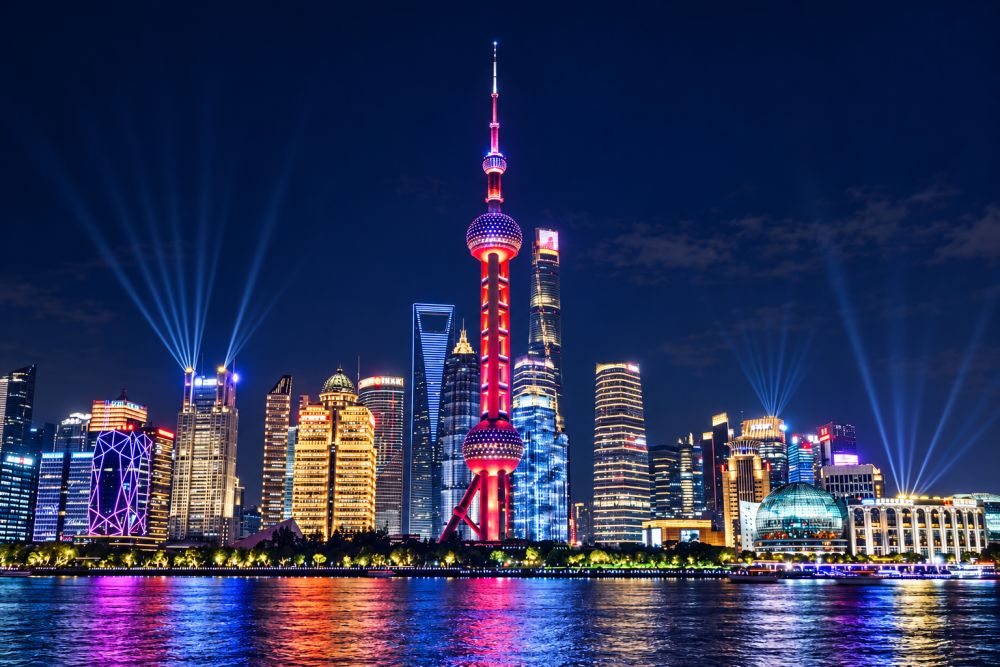
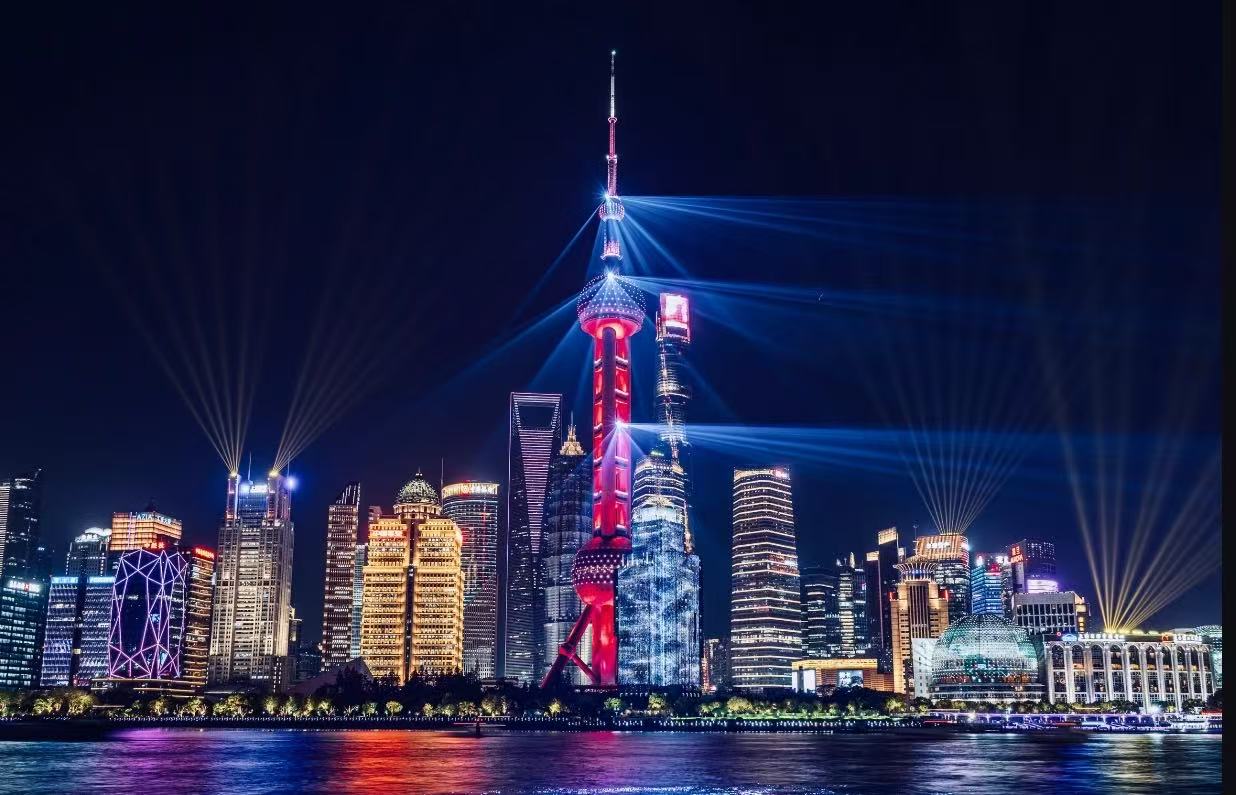
The Bund, the city’s famous riverside promenade, is lined with fifty-two buildings put up in the early twentieth century by banks, trading houses and consulates. Directly opposite, across the water, the towers of Lujiazui rise in a cluster: the Shanghai Tower, the tallest building in China and one of the tallest in the world, the Jin Mao Tower and the Oriental Pearl. Standing at the rail on the Bund looking from one bank to the other is the single best five minutes in the city.
Behind the waterfront, Shanghai becomes a city of neighborhoods. In the former French Concession the streets are shaded by plane trees and lined with art deco apartment blocks, independent coffee shops and small galleries. Around Yu Garden, classical pavilions and rockery gardens sit beside a maze of market lanes and snack stalls. In Xintiandi, traditional shikumen stone-gate houses have been restored around courtyards and restaurants.
Shanghai is also the most convenient base in China. Hangzhou and its West Lake are 45 minutes away by high-speed rail, Suzhou and its classical gardens about 25 minutes, and the canal towns of the Yangtze delta make an easy day trip. If your trip includes a business visit, Shanghai is where an extension is easiest to arrange.
WHAT TO SEE
Highlights of Shanghai
Three days is enough for the core of the city and one excursion beyond it.
The Bund & the Huangpu
A 1.5-kilometer promenade of colonial-era architecture facing the towers of Pudong. Walk it at sunrise for calm water and empty sidewalks, or after dark when both banks are lit. A short river cruise or the public ferry gives you the view from the water for a fraction of the cost of a tour boat.
Lujiazui & Shanghai Tower
The observation deck of the Shanghai Tower sits more than 500 meters up, with the fastest lifts in the world and a clear-day view that reaches the delta. The circular walkway around Lujiazui connects the towers at street level and is free; go at dusk to watch the lights come on across the river.
Yu Garden & the Old City
A classical Ming-style garden of pavilions, ponds and rockeries, surrounded by the busy bazaar of the City God Temple. The garden needs a ticket and is best visited right at opening, before the tour groups arrive. The surrounding lanes are excellent for steamed buns and soup dumplings.
Former French Concession
The most pleasant part of Shanghai to wander without a plan. Plane-tree streets, art deco buildings, small design shops and cafés, with Wukang Road and the area around Fuxing Park at its center. Tianzifang and Xintiandi are the better-known pockets; the residential lanes between them are quieter and just as interesting.
Shanghai Museum
One of the notable collections in China, and strongest on bronzes, ceramics, calligraphy and Chinese painting. Admission is free with advance booking. It sits on People’s Square, which makes it easy to pair with Nanjing Road and the city center.
Water Towns of the Delta
Zhujiajiao is about an hour from the city and still has canals, stone bridges and Ming-era lanes. Zhouzhuang and Tongli are further but quieter. A water town makes a good half-day contrast to the towers and traffic of central Shanghai.
SAMPLE ITINERARY
Three Days in Shanghai
This order keeps day one close to the river, day two in the old city and the concession, and leaves the third day free for an excursion or more city time.
The river and the skyline
Stay around the Huangpu and let the city introduce itself from both banks.
- The Bund in the morning, before the crowds, then the Yu Garden and old city lanes
- Cross to Lujiazui for the Shanghai Tower observation deck at dusk
- Evening river cruise or the public ferry, then dinner nearby
Museums and neighborhoods
A gentler day built around walking, with the museum as an indoor anchor.
- Shanghai Museum on People’s Square, then Nanjing Road
- Former French Concession on foot: Wukang Road, Fuxing Park, small shops
- Dinner in Xintiandi or Tianzifang
Water town or Hangzhou
Use the fast rail network for a change of scale before you leave the city.
- Option A: Zhujiajiao water town, half a day with canals and bridges
- Option B: Hangzhou and West Lake by high-speed rail, 45 minutes each way
- Evening departure from PVG, or rail onward to Beijing (4.5 hours)
PRACTICAL NOTES
Before You Go
Payments are mobile-first
Day-to-day life runs on QR code payments. International cards work in hotels and larger shops, but setting up a local payment app before you arrive makes taxis, markets and small restaurants much easier.
The metro is fast and cheap
Shanghai’s metro is one of the largest in the world and covers almost everything a visitor needs. Stations and ticket machines are signed in English. Allow extra time in rush hour, and use taxis or ride-hailing for short evening trips.
Choose your season
Spring and autumn are the most comfortable. Summers are hot and humid with a typhoon risk from July to September; winters are cold and damp but rarely snowy, and the city is quiet and easy to explore.
Book the headline sights
The Shanghai Tower deck, the Shanghai Museum and Yu Garden all use timed or limited ticketing. Reserve a day or two ahead in peak season, and keep your passport with you for entry.
Combine Shanghai with
Shanghai is the easiest arrival and departure point in China, and the rail network puts much of the east within a few hours.
A LOOK AROUND
Impressions of Shanghai
Plan Your Shanghai Journey
Tell us your dates and whether you want the city alone or the city plus a water town or Hangzhou. We will build the plan around your schedule.
GET MY CUSTOM CHINA PLANREADY WHEN YOU ARE
Plan Your Shanghai Journey
Tell us your dates, pace and interests. We will come back to you with what is realistic and, if you want to take it further, introduce you to an independent travel service provider.