WHY BEIJING
The City Where the Whole Story Starts
For most international travelers, Beijing is the first stop — and for good reason. It is where imperial China is easiest to read, because the ceremonial buildings are still standing in the order they were designed to be experienced.
The Forbidden City alone covers 72 hectares and holds around 980 surviving buildings. You enter through the Meridian Gate, cross courtyards that were built to make visitors feel small, and leave under the Gate of Divine Prowess with the whole axis of the city behind you. Two hours north, the Great Wall climbs along the ridgeline; an hour south-east, the Hall of Prayer for Good Harvests stands in a park where people have been practicing tai chi at sunrise for generations.
What surprises many visitors is how liveable the city is between the monuments. The hutongs — narrow lanes of gray-walled courtyard houses — are still residential, still full of bicycle bells, laundry lines and tiny restaurants. In the same city you can spend a morning in a 600-year-old temple and an afternoon in the 798 Art District, a 1950s electronics factory complex converted into galleries and studios.
Beijing is large, but it is not difficult. The metro is cheap, signed in English and reaches almost every major sight, and the attractions cluster into two or three areas. Four days is enough to see the essentials without spending the whole trip in transit — five if you want the Wall, the museums and a day in the hutongs without rushing.
WHAT TO SEE
Highlights of Beijing
Six places that explain why the city rewards a slower visit rather than a checklist.
The Forbidden City
Twenty-four emperors of the Ming and Qing dynasties ruled from inside these walls. Walk it north to south along the central axis, then exit into Jingshan Park and climb the hill for the view back over the golden roofs. Tickets are released online in advance, daily numbers are capped and the palace is closed on Mondays — book early and bring the passport you booked with.
The Great Wall at Mutianyu
Mutianyu is the most comfortable section for most visitors: restored walkways, a cable car up, a toboggan down and roughly 90 minutes of driving from the city. Badaling is closer and far busier. Jinshanling is wilder, less restored and better suited to travelers who want a real hike along the ridge.
Temple of Heaven
Where the emperors prayed for good harvests. The triple-roofed Hall of Prayer is the building most people recognize from photographs, but the wider park is the reason to come early: at dawn it fills with people doing tai chi, practicing calligraphy with water on the paving, singing opera or flying kites.
Summer Palace
An imperial garden of hills, lakes and covered walkways in the north-west of the city. The Long Corridor runs 728 meters along the shore of Kunming Lake, painted end to end. In summer you can cross the lake by boat; in winter local people skate on the ice.
Hutongs & Shichahai
The old residential Beijing, made for walking without a fixed route. Around the Drum and Bell Towers and the lakes of Shichahai you will find courtyard cafés, small bars, street food and families who have lived in the same lane for generations.
798 Art District
A Bauhaus-era factory complex turned into galleries, studios, design shops and coffee bars. It is a good half-day change of pace from temples and palaces, and a useful reminder that Beijing is a working contemporary city as much as an ancient one.
SAMPLE ITINERARY
Four Days in Beijing
A realistic framework rather than a fixed package. Days can be reordered, shortened or swapped for museum time depending on your interests.
Arrival and the central axis
Ease into the time zone with the most famous walk in China, then stay close to the hotel for dinner.
- Tiananmen Square and the Forbidden City along the central axis
- Jingshan Park for the classic view over the palace roofs at sunset
- Peking duck dinner — carved at the table and eaten with pancakes and scallions
The Great Wall
Leave the city early, before the tour buses, and give the Wall a full morning rather than a rushed photo stop.
- Mutianyu: cable car up, walk the restored ridge, toboggan down
- Late-afternoon return with time to rest before dinner
- Evening walk around the Shichahai lakes and the Drum Tower
Temples and gardens
A quieter day built around parks rather than palaces, with plenty of walking and space between stops.
- Temple of Heaven early, while the park is full of morning activity
- Summer Palace in the afternoon, including a boat on Kunming Lake in season
- Optional evening performance of Peking opera or acrobatics
Old Beijing and onward travel
Keep the last morning flexible — hutongs, a museum or shopping — then connect to the next city.
- Hutong breakfast and the Drum and Bell Towers
- 798 Art District or the National Museum, depending on taste
- High-speed rail onward to Xi’an (about 4.5 hours) or Shanghai
PRACTICAL NOTES
Before You Go
Book the major sights in advance
The Forbidden City, Tiananmen Square and several museums use online reservations with a passport and a daily cap. Popular dates sell out days ahead, and the Palace Museum closes on Mondays — treat ticketing as part of planning, not something to sort out on the day.
The metro is the easy way around
Fares are low, signs and announcements are in English and stations are clean and safe. Traffic is heavy, so allow extra time for taxis during rush hour (roughly 07:30–09:30 and 17:30–19:00).
Expect real seasons
Winters are cold, dry and clear; summers are hot and humid with rain in July and August. Spring can bring wind and dust, and autumn is the most comfortable season overall. Layers and comfortable walking shoes matter more than formal clothing.
Eat beyond the hotels
Roast duck is the headline, but the everyday food is just as memorable: jianbing pancakes from a street cart, zhajiangmian noodles, dumplings and hotpot. If you have dietary restrictions, tell us in advance so suitable restaurants can be chosen.
Combine Beijing with
Beijing works as the opening of almost any China route. High-speed rail makes the connections short and comfortable.
A LOOK AROUND
Impressions of Beijing
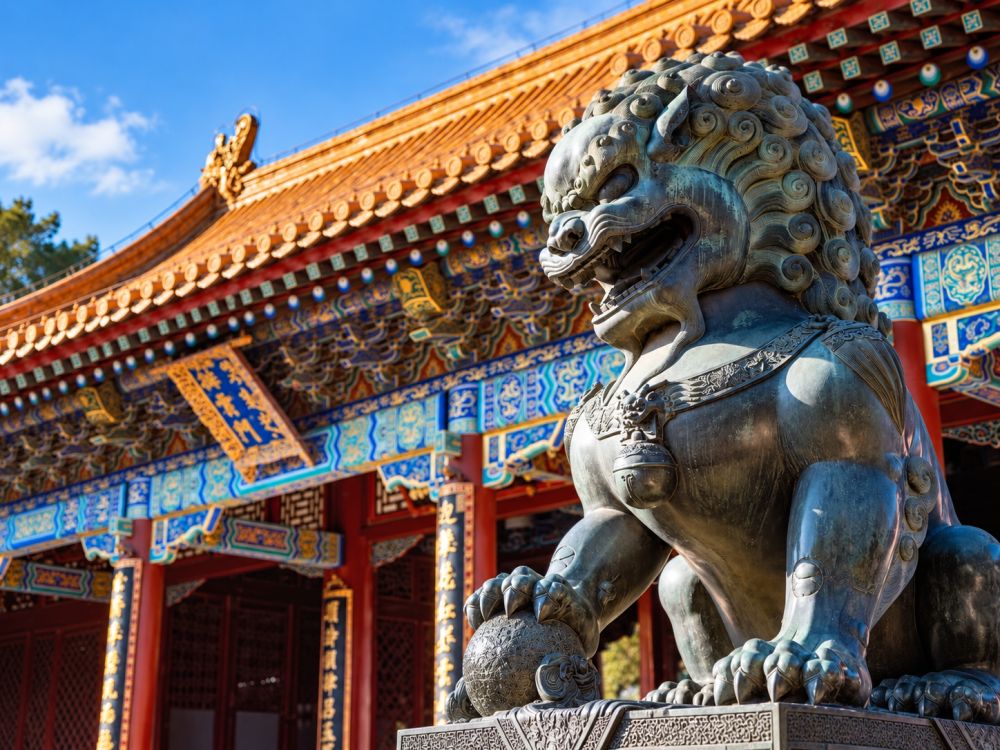
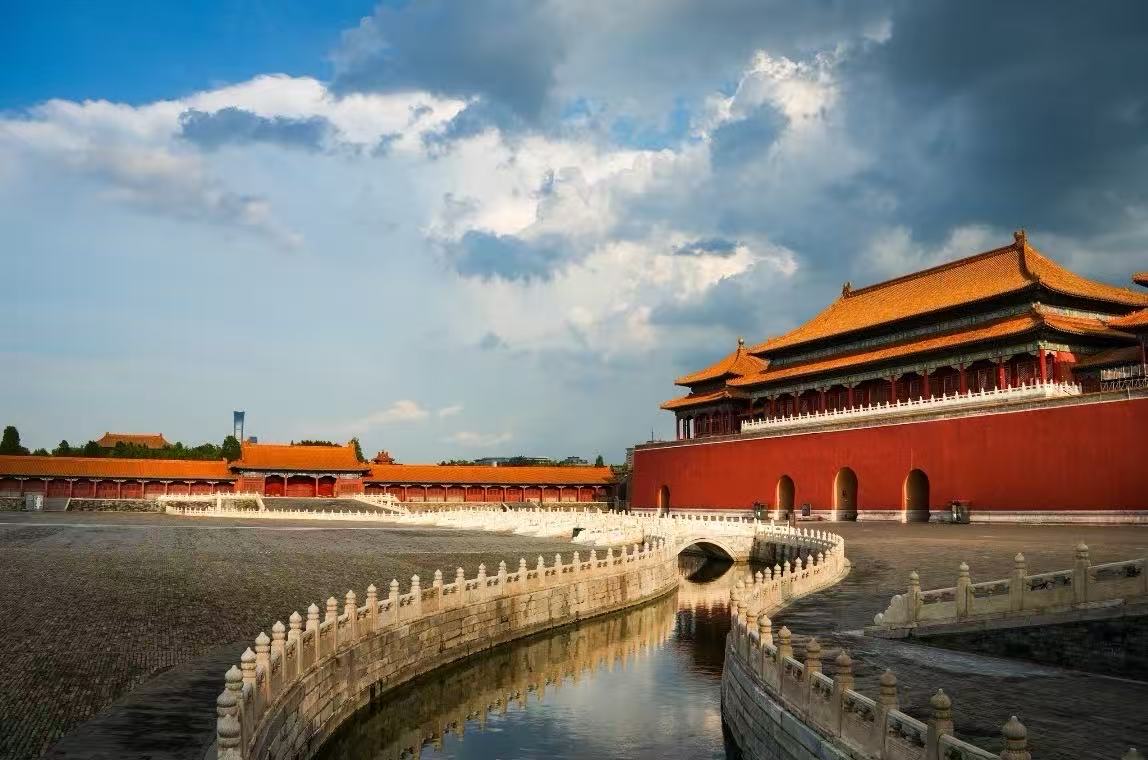
Plan Your Beijing Journey
Tell us your travel dates, who is traveling and how much time you want on the Wall. We will shape a realistic Beijing itinerary and pass it to the travel service provider who confirms the final arrangements.
GET MY CUSTOM CHINA PLANREADY WHEN YOU ARE
Plan Your Beijing Journey
Tell us your dates, pace and interests. We will come back to you with what is realistic and, if you want to take it further, introduce you to an independent travel service provider.